Leggera
Categories
Industrial Design, Art Direction, Computational Design
Client
TUDelft - Personal Project
Project
Memetic Prodict Design
Services
Concept Design Industrial Design Computational Design 3D Visualisation Rapid Prototyping Art Direction Ergonomics
Year
2022
A self-initiated university project developed at TU Delft, exploring the intersection of high-end product design, advanced manufacturing, and a highly specific user target. From brief definition through to final concept, the project was entirely self-directed, covering user research, trend analysis, form exploration, computational design, and visual communication. The challenge was not just to design a great object, but to define what greatness means for an audience that has already seen everything.
A self-initiated university project developed at TU Delft, exploring the intersection of high-end product design, advanced manufacturing, and a highly specific user target. From brief definition through to final concept, the project was entirely self-directed, covering user research, trend analysis, form exploration, computational design, and visual communication. The challenge was not just to design a great object, but to define what greatness means for an audience that has already seen everything.


Design Vision
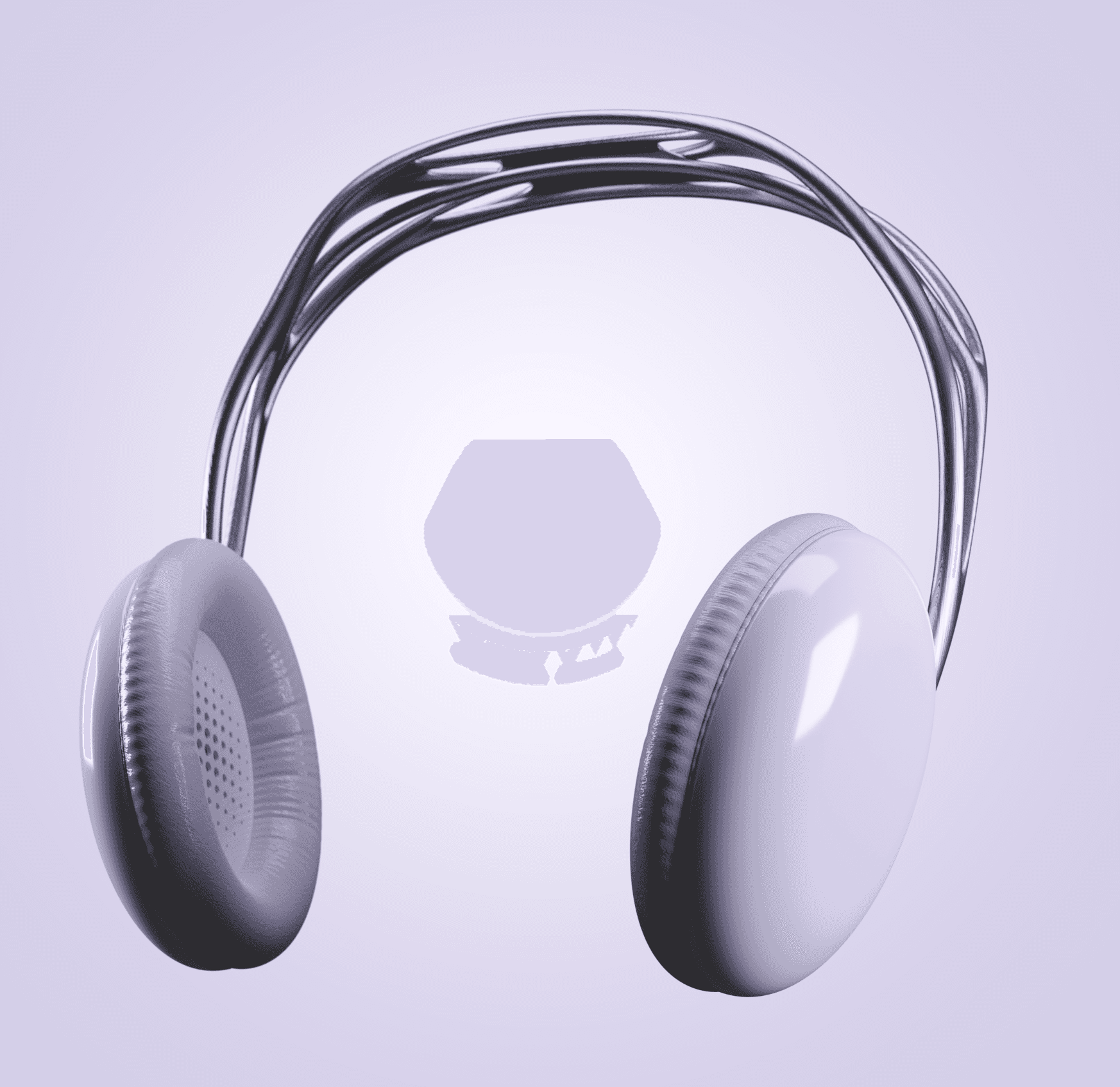
Leggera is a concept for a pair of high-end headphones designed for an audience that expects the exceptional as a baseline. Not luxury in the conventional sense, no ornamentation, no excess, but the kind of object that exists in very few hands, where scarcity is not a marketing strategy but a natural consequence of what the piece demands to be made well.
Design Vision
Leggera is a concept for a pair of high-end headphones designed for an audience that expects the exceptional as a baseline. Not luxury in the conventional sense, no ornamentation, no excess, but the kind of object that exists in very few hands, where scarcity is not a marketing strategy but a natural consequence of what the piece demands to be made well.

The design is built around topological optimisation, a computational approach that removes material wherever it isn't structurally necessary, resulting in forms that are at once skeletal and precise. The process doesn't imitate nature, it follows the same logic, finding the minimum needed to do the maximum. The ideal material is titanium, 3D printed, chosen not for effect but because nothing else offers the same combination of strength, weight, and formal resolution.
The outcome is a piece that sits closer to jewellery or scientific instrument than consumer product, designed to be difficult to categorise, almost impossible to compare, and entirely uninterested in trends.
The design is built around topological optimisation, a computational approach that removes material wherever it isn't structurally necessary, resulting in forms that are at once skeletal and precise. The process doesn't imitate nature, it follows the same logic, finding the minimum needed to do the maximum. The ideal material is titanium, 3D printed, chosen not for effect but because nothing else offers the same combination of strength, weight, and formal resolution.
The outcome is a piece that sits closer to jewellery or scientific instrument than consumer product, designed to be difficult to categorise, almost impossible to compare, and entirely uninterested in trends.

Next Projects